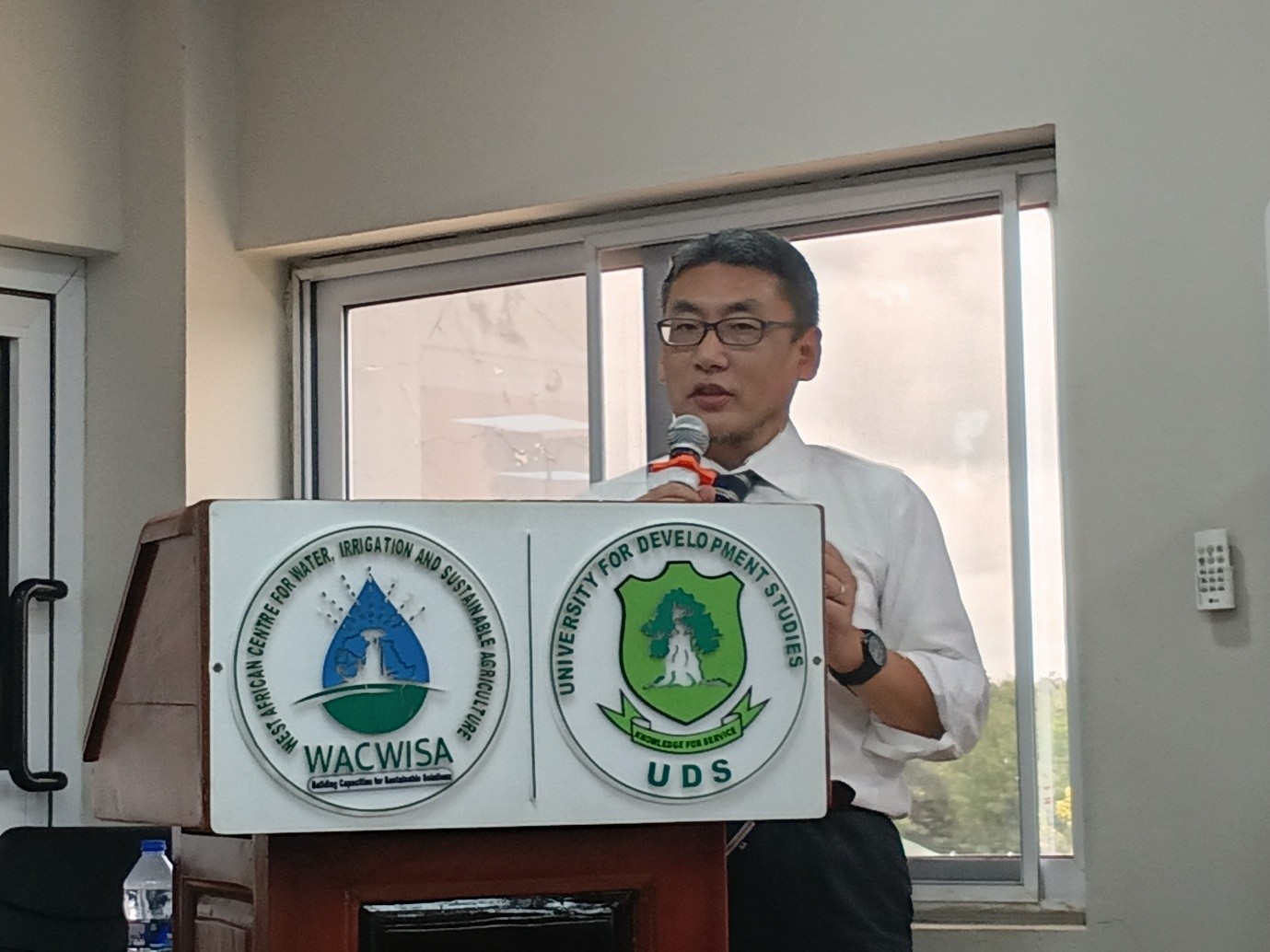
The Japan International Research Center for Agricultural Sciences (JIRCAS), the University for Development Studies (UDS) and the Council for Scientific and Industrial Research’s Savanna Agricultural Research Institute (CSIR-SARI) have launched a research project to improve soil health and support sustainable food production in the African savanna.
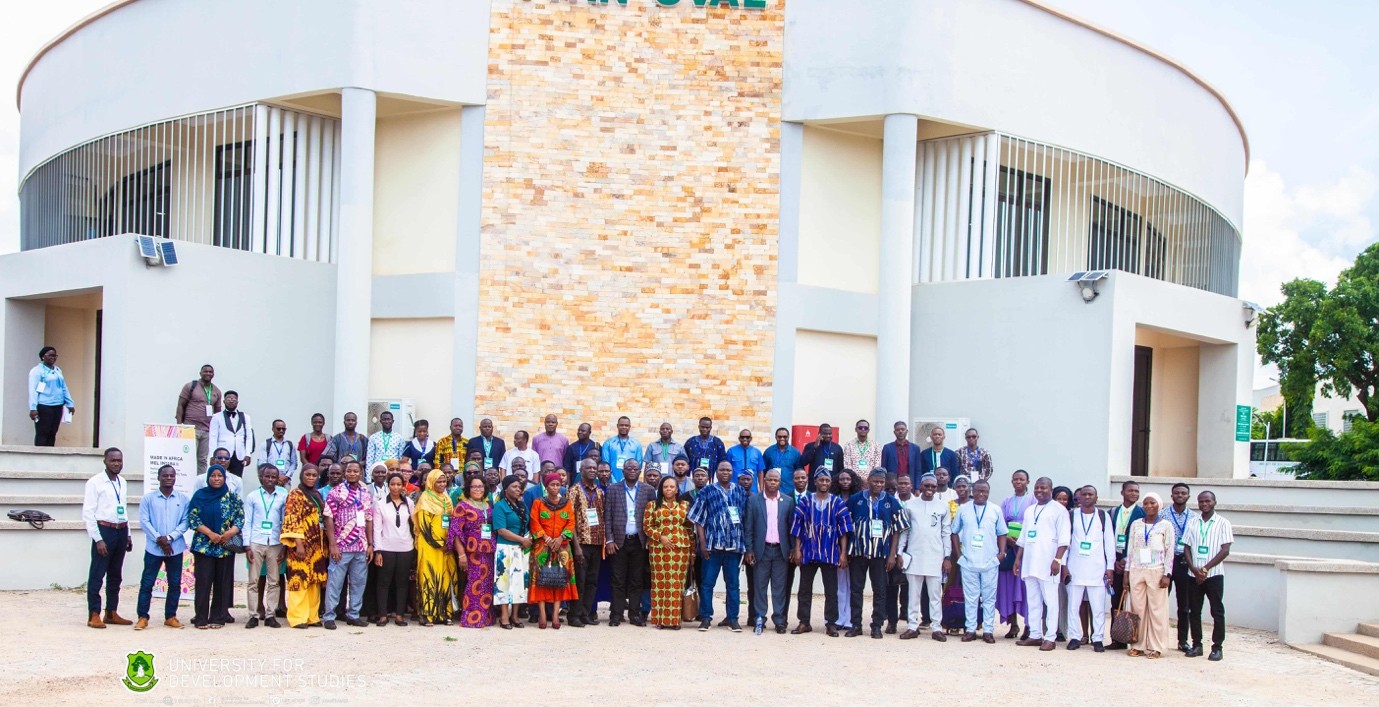
The project, titled Enhancing Agroecosystem Services for Sustainable Food Production in African Savanna, was launched at the West African Centre for Water, Irrigation and Sustainable Agriculture (WACWISA) on the UDS Nyankpala Campus. It has an annual budget of 69 million Japanese yen.
Welcoming participants to the kick-off meeting, the Principal of the UDS Nyankpala Campus, Prof. Ibrahim Yakubu Seini, underscored the importance of collaboration among the participating institutions. JIRCAS Programme Director Dr. Yasunari Fujita delivered the opening remarks.
The project will examine ways to improve agroecosystem services, with particular attention to soil health and soil biodiversity. Its four areas of work were presented by members of the research team: Dr. Ikazaki discussed soil rejuvenation through the use of rock resources; Project Leader Dr. Nakamura presented work on soil and crop management, including soil carbon sequestration; Dr. Yamada addressed the allocation of resources to improve ecosystem services; and Dr. Koide outlined plans to develop technology for effective dissemination.
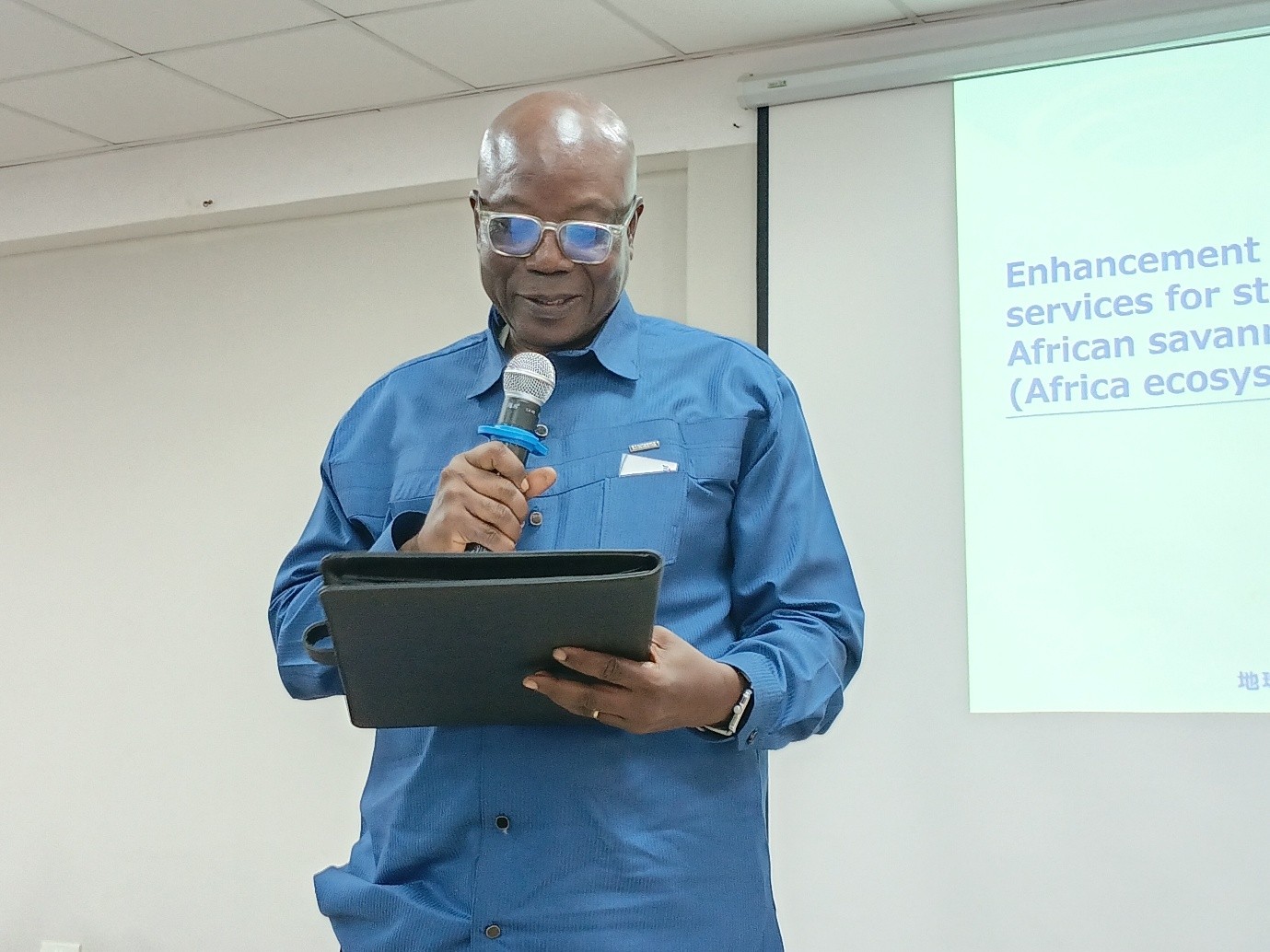
The Director of CSIR-SARI, Dr. Appiah, a soil microbiologist, also stressed the need to improve ecosystem and soil health.
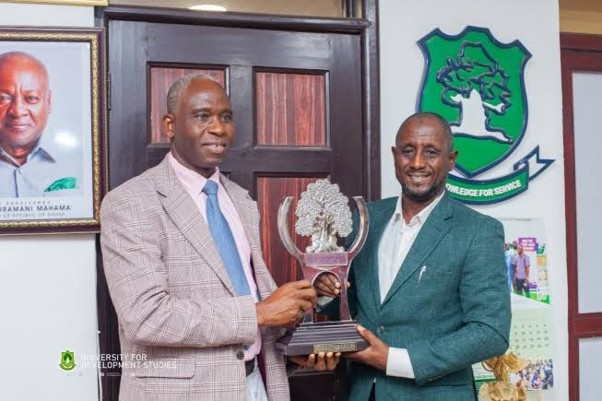
A key part of the meeting was the signing of a Memorandum of Understanding between JIRCAS and CSIR. The partners also signed work plans between JIRCAS and CSIR-SARI, and between JIRCAS and UDS, to guide implementation of the project.
During the closing session, a representative of the Forum for Agricultural Research in Africa (FARA), who joined virtually, pledged the organisation’s support. Dr. Matias Forsu of CSIR-SARI assured JIRCAS of the institute’s full cooperation and called for effective communication among the partners and the farmers who stand to benefit from the research.
Representatives of the Ministry of Food and Agriculture urged the project team to ensure its work helps vulnerable farmers reduce agricultural losses.
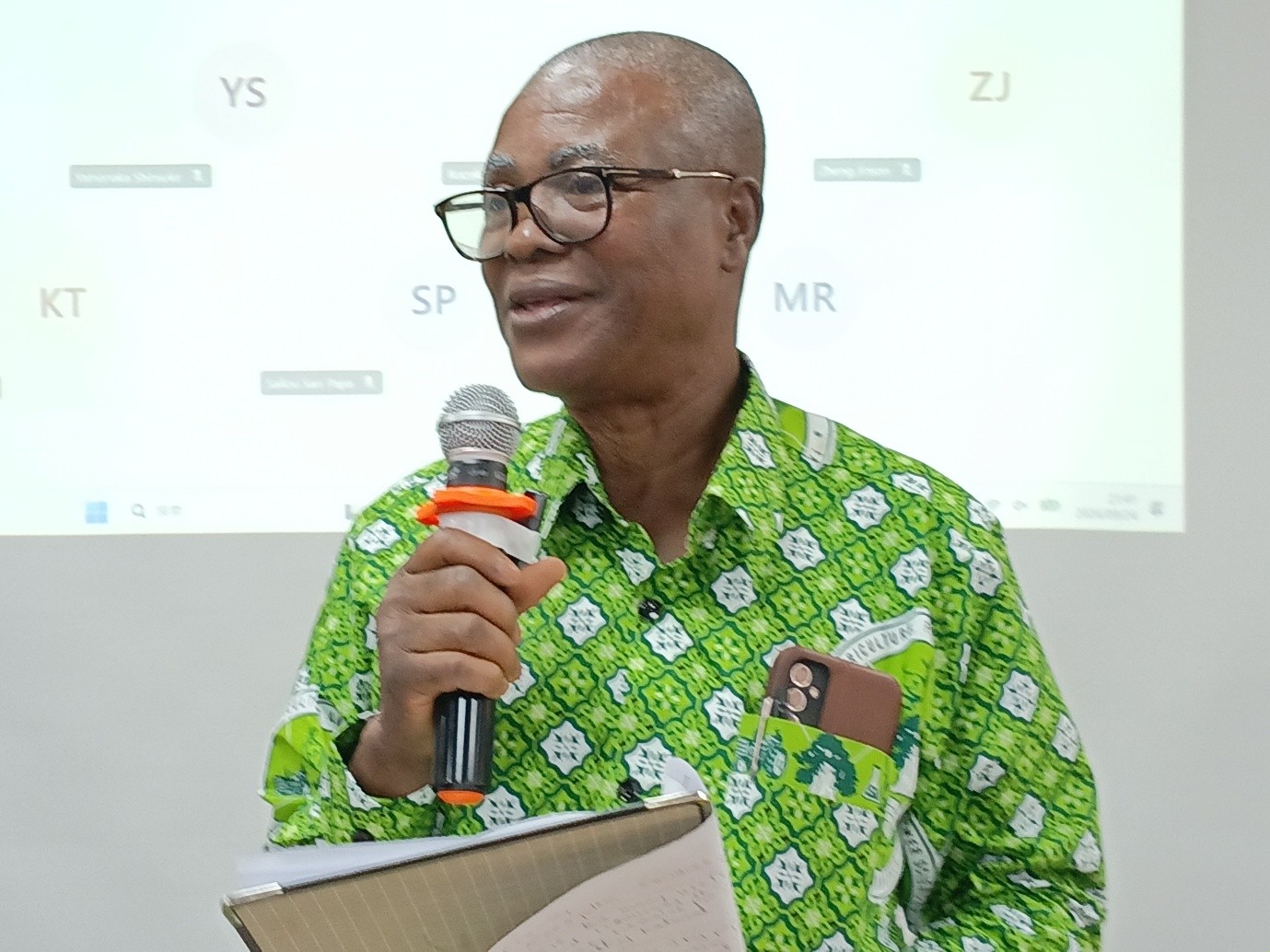
Speaking for UDS, Prof. Israel Dzomeku recalled the University’s collaboration with JIRCAS, which dates back to 2009 and included research on the use of rock phosphate as an alternative to soluble phosphate. He expressed confidence that the new project would make a meaningful contribution to sustainable food production in the African savanna.
Dr. Nakamura thanked participants for their contributions to the launch and expressed JIRCAS’ commitment to a lasting partnership with its Ghanaian counterparts.
Story by Ibrahim Abubakari, UDS Media
The Faculty of Agriculture, Food and Consumer Sciences (FOAFCS), located at the Nyankpala Campus, is the premier faculty of the University for Development Studies (UDS), having begun in 1993 as the Faculty of Agriculture.